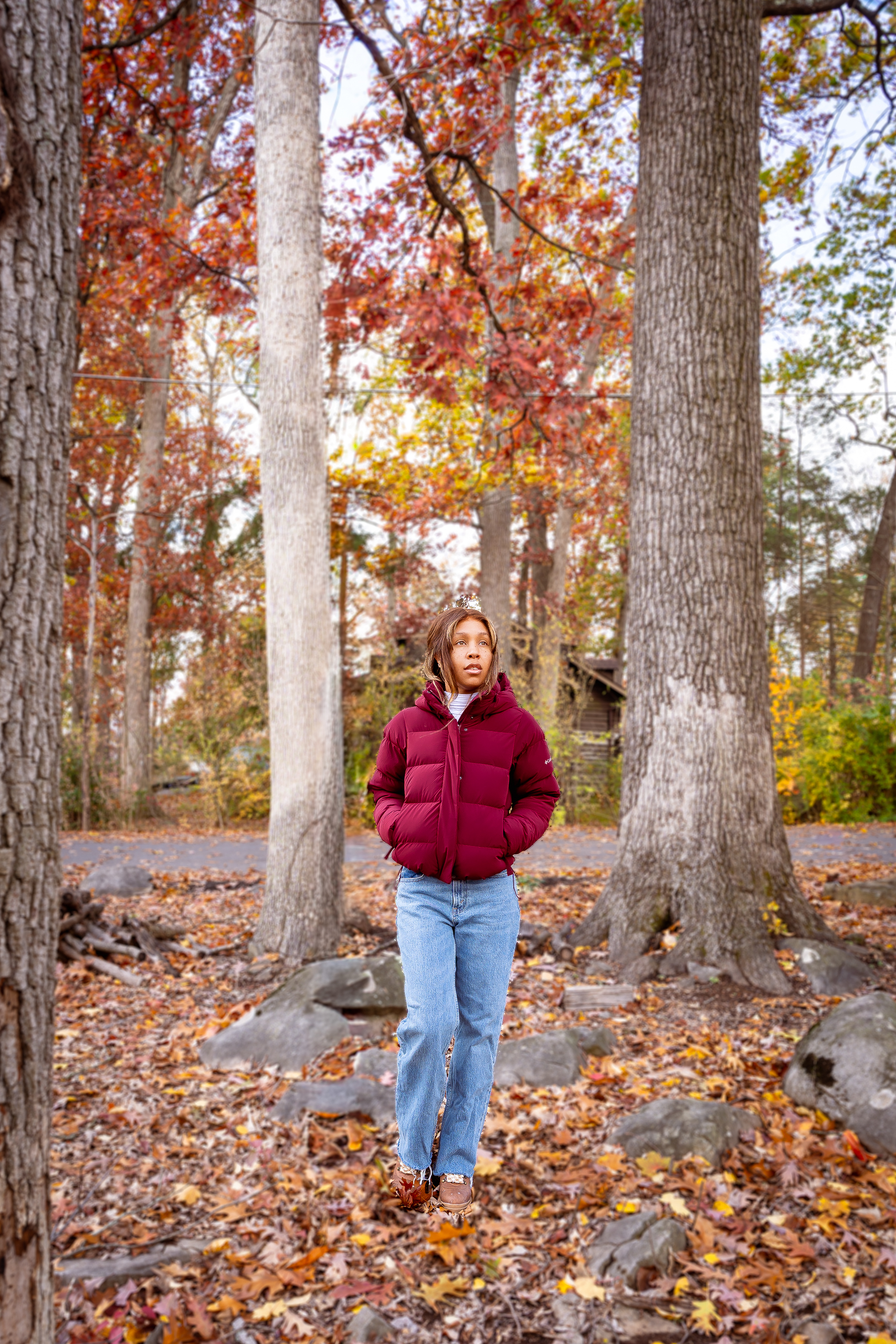
Winter dress outfits 2026 are proving that cold weather doesn’t mean you have to sacrifice your love for dresses. I’ve spent years perfecting the art of wearing dresses through frigid temperatures, and I’m here to tell you that with the right styling tricks and just knowing how to wear a dress in the winter, you can absolutely rock your favorite frocks all season long. There’s something so chic and confident about stepping out in a dress during winter – it shows you know how to blend practicality with style. From cozy knit sweater dresses paired with knee-high boots to flowy midi dresses layered with tights and blazers, winter dress styling has become one of my favorite creative challenges.
The secret to nailing winter dress outfits isn’t just about piling on layers—it’s about strategic styling that keeps you warm while maintaining that effortlessly polished look we all crave. I used to think dresses were strictly warm-weather territory until I discovered the right layering techniques and winter-appropriate dress styles. Now, dresses have become a year-round staple in my wardrobe, and honestly, they make getting dressed in the morning so much easier than coordinating separates. Today, I’m sharing my complete guide to wearing dresses in winter, including specific styling tips, the best dress styles for cold weather, and outfit formulas that actually work in real life.

How to Wear a Dress in the Winter: Mastering Cold-Weather Dress Styling
The landscape of winter fashion has completely transformed, and winter dress outfits 2026 are all about blending comfort with elevated style. I’ve noticed that this season’s approach to dressing (pun intended!) embraces texture mixing, unexpected layering, and versatile pieces that transition seamlessly from day to night. The key difference between winter dress styling that works and outfits that leave you freezing is understanding which dress silhouettes pair best with winter layering essentials. I’ve learned through trial and plenty of cold-weather errors that certain dress styles are simply more winter-friendly than others.
Why Winter Dresses Deserve a Place in Your Wardrobe
I genuinely believe that incorporating dresses into your winter wardrobe can completely revolutionize how you approach cold-weather dressing. Dresses eliminate the mental energy of coordinating tops and bottoms, which is especially valuable during those chaotic mornings when you’re already running late. There’s also something undeniably feminine and polished about wearing a dress in winter—it sets you apart in a sea of standard jeans and sweater combinations. I’ve found that the right winter dress makes me feel more put-together with less effort, and isn’t that what we’re all searching for in our daily style routine?
Beyond the practical benefits, winter dresses offer incredible versatility in styling options. You can completely transform the vibe of a single dress by changing your layering pieces, footwear, and accessories. A midi dress that feels professional with a blazer and ankle boots for work can become date-night appropriate with a leather jacket and heeled booties. This versatility means you’re getting serious mileage from each dress in your closet, which makes them worth the investment. Plus, with the right winter-appropriate fabrics and thoughtful layering, you’ll stay just as warm (if not warmer) than you would in pants—I promise.
Essential Winter Dress Styles to Invest In


The Sweater Dress: Your Cozy Winter Essential
Sweater dresses are the ultimate winter dress style because they’re inherently designed for cold weather. I practically live in sweater dresses during the coldest months because they provide built-in warmth while looking effortlessly stylish. The beauty of a good sweater dress is its versatility—you can wear it alone with just tights and boots for milder winter days, or layer it with turtlenecks, coats, and scarves when temperatures really drop. I’m particularly drawn to turtleneck sweater dresses that eliminate the need for additional layering tops while providing extra warmth around your neck.
When shopping for sweater dresses, I look for quality knits that maintain their shape and don’t pill excessively. Merino wool and cashmere blends are luxurious options that feel amazing against your skin and provide excellent insulation. For more budget-friendly options, acrylic-wool blends offer good warmth and durability without the investment. The fit of your sweater dress matters significantly—I prefer slightly fitted or bodycon styles that skim your curves without being too tight. These silhouettes are incredibly flattering and work well with layering pieces since they don’t add bulk underneath coats.
Styling sweater dresses is wonderfully straightforward, making them perfect for those mornings when you want to look polished with minimal effort. For casual days, I pair mine with opaque tights and flat ankle boots or knee-high boots, adding a long coat and crossbody bag for a complete look. To dress up a sweater dress for work or events, I swap in heeled booties, add statement earrings, and layer with a structured wool coat. The neutral colors—camel, gray, black, cream—are most versatile, but I also love having one or two sweater dresses in seasonal colors like burgundy or forest green to mix things up.

The Shirt Dress: Unexpected Winter Versatility
Shirt dresses might seem like warm-weather pieces, but they’re actually incredible for winter layering. The structured, button-front style creates a polished foundation that works beautifully when styled with winter essentials. I love shirt dresses because their casual elegance translates seamlessly across seasons with the right styling adjustments. The key to making shirt dresses work for winter is choosing heavier fabrics like corduroy, flannel, or thick cotton rather than lightweight chambray or linen. These substantial materials provide warmth while maintaining the classic shirt dress silhouette.
Layering is where shirt dresses truly shine in winter. I frequently wear fitted turtlenecks or long-sleeve tops underneath shirt dresses, creating a dimensional, put-together look that’s also practical for cold weather. This layering technique works especially well with sleeveless or short-sleeve shirt dresses that you might otherwise pack away during winter months. For even more warmth, I’ll add a chunky cardigan or blazer over the entire ensemble, belting it at the waist to maintain shape and prevent looking overly bundled. The beauty of shirt dresses is their ability to function as both dresses and long layering pieces over pants, giving you multiple styling options from a single garment.
When it comes to footwear and accessories for winter shirt dress outfits, I lean into the preppy, polished aesthetic that shirt dresses naturally embody. Loafers with tall socks create a sophisticated, slightly academic vibe that I absolutely love for daytime wear. Ankle boots—either flat or heeled—work beautifully for more casual looks, while knee-high boots elevate the outfit for evening occasions. I’m particularly fond of adding structured leather bags and minimalist jewelry to shirt dress outfits, letting the dress itself be the focal point while accessories provide subtle refinement.

The Slip Dress: Silky Winter Elegance
Slip dresses aren’t just for summer—when styled correctly, they become stunning winter pieces that feel luxurious and special. I initially hesitated to wear slip dresses in winter, but once I discovered the right layering techniques, they became some of my most-worn winter pieces. The key is treating your slip dress as a layering component rather than a standalone garment. The silky, drapey fabric looks beautiful over fitted turtlenecks or long-sleeve tees, creating that perfect mix of textures that makes winter outfits interesting and dimensional.
Velvet slip dresses deserve special mention because they’re practically made for winter occasions. The heavier fabric provides more structure and warmth than traditional silk slip dresses while maintaining that elegant, flowing silhouette. I love wearing velvet slip dresses for holiday parties, date nights, and any winter event where I want to feel dressed up without the restrictiveness of more formal attire. The way velvet catches light makes these dresses photograph beautifully, which is always a bonus during the holiday season when you’re likely taking more photos.
For layering slip dresses in winter, I’ve perfected a few go-to combinations that look polished and feel warm. My favorite approach is wearing a fitted turtleneck or long-sleeve shirt underneath, paired with opaque tights and heeled booties or pumps. Adding a blazer or cropped leather jacket creates structure and warmth while maintaining the slip dress’s elegant vibe. For extremely cold days, I’ll wear the slip dress over slim-fit pants or jeans, creating an entirely different look that’s trendy and practical. This styling trick transforms your slip dress into a tunic-style top that pairs perfectly with winter bottoms.


The Midi Wrap Dress: Flattering and Functional
Wrap dresses are universally flattering, and the midi length makes them particularly suitable for winter styling. I’m drawn to wrap dresses because the adjustable tie allows you to customize the fit, which is incredibly useful when layering different thickness tights or thermals underneath. The V-neckline creates a lengthening effect that balances nicely with winter’s typically bulkier layers. I find that wrap dresses in heavier fabrics like ponte knit, jersey, or wool blends work best for winter—they maintain the wrap style’s beautiful draping while providing adequate warmth.
The beauty of wrap dresses for winter is how seamlessly they transition from professional to casual settings with simple styling adjustments. For work, I pair mine with opaque tights, closed-toe heels or loafers, and a structured blazer or wool coat. The outfit reads as polished and professional while being comfortable enough for all-day wear. For weekend outings, I swap the heels for ankle boots or sneakers, add a denim jacket or cardigan, and incorporate more casual accessories like a crossbody bag. The same dress works for multiple occasions simply by changing a few key pieces.
Styling wrap dresses for winter parties and events is where these pieces really shine. I love choosing wrap dresses in rich jewel tones or festive prints for holiday gatherings—the flattering silhouette combined with special occasion fabrics makes getting dressed effortless. I’ll pair them with statement earrings, a clutch, and heeled booties or pumps for a complete look that feels elegant without being overly formal. On particularly cold evenings, I layer a faux fur stole or elegant shawl over my shoulders for warmth and glamour. The wrap style’s adjustable nature means you can accommodate these additional layers without the dress feeling too tight or restrictive.


The Turtleneck Dress: Built-In Winter Warmth
Turtleneck dresses are perhaps the most practical winter dress style because they’re specifically designed for cold weather. The built-in turtleneck provides neck warmth that eliminates the need for scarves in milder winter conditions, though I still love adding scarves for extra style and warmth when temperatures really drop. I’m particularly fond of ribbed turtleneck dresses that create visual texture and interest while being incredibly comfortable. The fitted nature of most turtleneck dresses means they layer beautifully under coats without adding bulk.
When choosing turtleneck dresses, I look for quality knit fabrics that provide warmth without excessive weight. Merino wool is my preferred material because it’s naturally temperature-regulating, moisture-wicking, and doesn’t itch like some lower-quality wools. Cotton-blend turtleneck dresses work well for less extreme winter weather and are often more affordable than pure wool options. The length matters too—I find that midi or knee-length turtleneck dresses are most versatile because they provide good coverage while working with various boot heights.
Styling turtleneck dresses is wonderfully straightforward since the dress itself handles most of the heavy lifting. For casual days, I pair mine with opaque tights and flat knee-high boots, adding a long wool coat and structured tote for a complete look. To dress up turtleneck dresses for work or events, I swap in heeled boots or pumps and incorporate statement jewelry—particularly bold earrings that draw attention upward and complement the high neckline. The monochromatic look created by matching your tights to your dress color creates a sleek, elongated silhouette that’s incredibly flattering and very chic.
Color Palettes and Patterns for Winter Dresses
Embracing Rich, Seasonal Tones
Winter provides the perfect opportunity to experiment with deeper, richer color palettes that feel wonderfully seasonal and sophisticated. I’ve found that incorporating jewel tones—emerald green, sapphire blue, ruby red, and amethyst purple—into my winter dress rotation adds vibrancy to the often-gray winter landscape. These colors photograph beautifully, which is great for all those holiday photos, and they complement the cozy, luxurious vibe of winter styling. I particularly love how jewel tones pair with metallic accessories and look stunning against winter’s neutral coats and scarves.
Earth tones are equally beautiful for winter dresses and create a warm, approachable aesthetic. Camel, chocolate brown, olive green, and burnt orange all feel incredibly seasonal while being versatile enough to pair with various outerwear and accessories. I find these colors particularly suitable for daytime and casual winter occasions where you want to look polished without being overly dressed up. The beauty of earth-toned dresses is their neutrality—you can style them with almost any coat color or boot style without worrying about clashing.
Classic winter neutrals—black, gray, navy, and cream—deserve recognition for their endless versatility and timeless appeal. I probably wear more black and gray dresses during winter than any other colors simply because they work with everything in my existing wardrobe. These neutral base colors allow you to experiment with bolder accessories, colorful tights, or statement outerwear without overwhelming your outfit. When choosing neutral winter dresses, I pay extra attention to texture and fabric quality since the color itself isn’t providing visual interest—details like cable knits, ribbing, or interesting necklines become more important.
Winter-Appropriate Patterns and Prints
Plaid and check patterns feel inherently wintery and add wonderful visual interest to your dress rotation. I’m particularly drawn to larger buffalo check or tartan patterns in traditional color combinations like red and black, navy and green, or classic black and white. These patterns create a cozy, cabin-inspired vibe that’s perfect for casual winter days. Smaller houndstooth or subtle plaid patterns work beautifully for more professional settings, adding pattern without being overwhelming or too casual for work environments.
Floral patterns might seem counterintuitive for winter, but darker florals on rich background colors work beautifully during cold months. I love winter florals in deep burgundy, navy, or black backgrounds with florals in complementary jewel tones. These patterns feel romantic and feminine while being seasonally appropriate due to the darker color palette. The key is choosing floral prints that read as sophisticated rather than spring-like—think moodier, more dramatic florals rather than bright, cheerful patterns.
Solid-colored dresses shouldn’t be overlooked—sometimes the simplest option is the most versatile. I find that investing in several high-quality solid dresses in flattering cuts and colors provides the foundation for endless winter outfits. The beauty of solid dresses is their ability to showcase interesting textures, beautiful fabrics, and the way you layer and accessorize them. Without pattern competing for attention, details like your boots, coat, and jewelry become the focal points that personalize your look each time you wear the dress.
Transitioning Your Dresses from Other Seasons
Making Summer Dresses Work for Winter
Don’t pack away all your summer dresses just because the temperature dropped—many can successfully transition to winter with smart styling. The trick is identifying which summer dresses have potential for cold-weather wear. I look for midi and maxi lengths that provide more coverage, and styles that can accommodate layering without looking awkward. Sleeveless and short-sleeve summer dresses are actually ideal for winter layering since they won’t create bulk when you add long-sleeve shirts or turtlenecks underneath.
The foundation of transitioning summer dresses to winter starts with proper base layers. I always begin with thermal or fleece-lined tights that provide warmth without visible bulk. Next, I layer a fitted long-sleeve top or turtleneck underneath the dress—this completely transforms the piece into a winter-appropriate ensemble. The key is ensuring your layering top complements the dress color and style. For example, a simple black turtleneck works under almost any summer dress, while a striped long-sleeve shirt can add visual interest under solid-colored dresses.
Outerwear selection completes the winter transformation of summer dresses. Denim jackets layered under wool coats create dimension and warmth while looking intentionally styled. Leather jackets add edge to feminine summer dresses, creating an interesting contrast that feels very current. Cardigans—especially longer, oversized styles—work beautifully for creating cozy, layered looks with summer dresses. I love adding a chunky cardigan belted at the waist over a summer dress, paired with knee-high boots for a complete winter outfit that started as a warm-weather piece.
Fall Dress Pieces That Extend Through Winter
Fall dresses often work seamlessly into winter with minimal adjustments, making them incredibly cost-effective wardrobe investments. The transitional nature of fall pieces means they’re typically made from medium-weight fabrics that provide warmth without being exclusively warm-weather or cold-weather garments. Long-sleeve fall dresses become winter staples simply by swapping regular tights for thermal versions and adding appropriate outerwear. I find that fall’s color palette—burgundy, mustard, olive, rust—feels perfectly appropriate for winter styling as well.
Layering techniques for fall dresses in winter focus on adding warmth without significantly changing the dress’s intended style. For dresses with interesting necklines that you want to showcase, I skip the layering top and focus instead on thick tights, warm boots, and substantial outerwear. When the dress neckline is simple or you need extra warmth, adding a fitted turtleneck or long-sleeve shirt underneath creates dimension and additional insulation. I’ve found that many of my favorite fall dresses actually get more wear during winter because the layering possibilities are more extensive.
Accessorizing fall-to-winter dress outfits allows you to emphasize the seasonal transition. During fall, you might have worn a particular dress with ankle boots and a light jacket. For winter, keep the same dress but swap in knee-high boots, add thick tights, layer with a wool coat, and incorporate cold-weather accessories like scarves and gloves. The dress remains the same, but the complete outfit reads as distinctly winter rather than fall. This approach maximizes your wardrobe without requiring entirely new pieces for each season.
Practical Tips for Staying Warm in Winter Dresses
Investing in Quality Base Layers
The difference between being comfortable and freezing in winter dresses often comes down to the quality of your base layers. I cannot overstate the importance of investing in good thermal or fleece-lined tights—they’re genuinely transformative for winter dress wearing. I look for tights with at least 100 denier thickness for adequate warmth and opacity. Fleece-lined tights are my absolute favorite because they provide incredible warmth without the bulk of wearing multiple layers. The inner fleece creates a cozy barrier against cold while the outer layer maintains a sleek appearance.
For extremely cold days or outdoor events, I layer thermal leggings underneath my tights for double insulation. This might sound excessive, but it’s a game-changer when temperatures really plummet. The key is choosing thin thermal leggings that won’t create visible bulk under your tights. I prefer moisture-wicking materials that prevent overheating when you move between outdoor cold and indoor heat. This layering technique allows me to wear dresses comfortably even in near-zero temperatures without sacrificing style.
Quality matters significantly when it comes to base layer longevity and performance. I’ve learned through experience that cheaper tights often pill, lose elasticity, or develop runs much faster than higher-quality options. Investing in several pairs of excellent tights from reputable brands actually saves money long-term because they last multiple seasons rather than needing replacement after a few wears. I typically stock up on classic black tights in various thicknesses and add a few pairs in colors like burgundy or navy for variety.
Choosing Winter-Appropriate Footwear
Your footwear choices significantly impact your overall warmth when wearing dresses in winter. I’ve learned that boots are essential—not just for style but for genuine warmth and weather protection. Knee-high boots provide the most coverage and warmth, creating a barrier against cold and wind. I look for boots with good insulation and traction for icy conditions. Leather boots tend to be more water-resistant than suede, making them better choices for snowy or wet winter weather, though treating suede with weatherproofing spray helps protect it.
The space between your boot top and dress hem deserves consideration because it’s where cold air can sneak in. For maximum warmth, I choose boots that come as high as possible—ideally just below the knee—to minimize exposed leg. When wearing ankle boots with dresses, I always pair them with tall wool socks that peek above the boot top, bridging the gap between boots and dress hem. This not only adds warmth but creates a trendy, layered look that’s very fashion-forward. The socks add color and texture while serving a practical purpose.
Boot sock options go beyond simple functionality—they’re an opportunity to add personality to your outfit. I love chunky cable-knit socks in cream or gray that create a cozy, Scandinavian-inspired vibe. Patterned socks in fair isle or Nordic designs feel festive and seasonal while adding visual interest. Solid-colored wool socks in coordinating or contrasting colors can completely change the outfit’s feel. The key is ensuring your socks complement rather than clash with your overall color palette and outfit aesthetic.
Mastering Outerwear Selection
The coat you choose dramatically affects both your warmth and your overall outfit aesthetic. I’ve found that matching your coat length appropriately to your dress length creates the most polished, intentional look. Long wool coats work beautifully with midi and maxi dresses because the proportions complement each other. When wearing shorter dresses, I prefer cropped jackets or coat styles that hit at the hip or thigh—this creates balance and prevents the outfit from looking bottom-heavy or frumpy.
Coat color and style should enhance rather than overwhelm your dress. Neutral-colored coats—black, camel, gray, navy—work with virtually any dress and are the most versatile wardrobe investments. I have several neutral coats in different styles (wool coat, puffer, trench) that I rotate depending on the weather and occasion. For those who love color or want to make more of a statement, choosing one special colored or patterned coat adds personality while neutral dresses provide the foundation. The reverse also works—neutral coat with colorful or patterned dresses.
Layering jackets under coats is a technique I use frequently on the coldest days. A fitted leather or denim jacket worn under a wool coat creates additional insulation while adding dimension to your outfit. When you arrive at your destination and remove the outer coat, you’re not left in just a dress—you still have the jacket layer providing some warmth and structure. This approach is particularly useful for events where you’ll be indoors for extended periods but need serious warmth for getting there and back.
Winter Dress Styling for Different Occasions


Casual Weekend Winter Dress Outfits
Weekend winter dress styling prioritizes comfort and ease while maintaining your polished aesthetic. I love reaching for sweater dresses or casual midi dresses in soft, comfortable fabrics for weekend activities. The beauty of casual winter dress outfits is their effortless nature—you look put-together without trying hard. For running errands or casual brunches, I pair my dresses with flat ankle boots or sneakers, add a puffer jacket or denim jacket, and carry a crossbody bag for hands-free convenience.
Creating casual winter dress looks that still feel intentionally styled comes down to thoughtful details. Instead of throwing on any old tights, I choose ones that complement my dress and boots. Instead of grabbing whatever coat is closest, I select one that coordinates with the overall vibe I’m creating. Small touches like adding a beanie or baseball cap, choosing fun patterned socks, or incorporating a colorful scarf elevate casual looks from thrown-together to carefully curated. The goal is looking like you care about your appearance without looking like you spent hours getting ready.
Layering for casual weekend warmth focuses on practical, comfortable pieces rather than polished perfection. Oversized cardigans create that cozy, relaxed vibe that’s perfect for weekend wear. Chunky knit scarves add warmth and texture without being too formal. I love pairing casual dresses with sporty puffer vests for an athletic-casual hybrid look that feels very current. The overall aesthetic should feel approachable and comfortable while still making you feel confident and put-together when you’re out and about.


Professional Winter Dress Styling for Work
Dresses can absolutely work for professional winter settings with the right styling approach. I actually find dresses easier for work than coordinating separates because they eliminate the decision fatigue of matching tops and bottoms. The key is choosing dress styles in work-appropriate fabrics, lengths, and colors. I gravitate toward structured knit dresses, shirt dresses, and wrap dresses in professional colors like navy, gray, black, or burgundy. The midi length or knee-length hits that perfect professional sweet spot—not too casual, not too formal.
Professional winter dress styling requires a polished approach to layering and accessories. I always wear opaque tights in black or matching the dress color—no bare legs in professional winter settings. Closed-toe shoes are essential; I prefer loafers, ankle boots with block heels, or knee-high boots depending on the dress style and overall outfit vibe. Blazers are your best friend for professional dress styling—they add structure, warmth, and instantly make any dress look more work-appropriate. I keep several blazers in neutral colors that I rotate over various dresses throughout the week.
Maintaining professionalism while staying warm requires strategic layering that doesn’t sacrifice your polished appearance. Instead of bulky sweaters that might look sloppy, I layer fitted turtlenecks under dresses or wear the dress alone and focus on quality outerwear. A beautiful wool coat in a classic style elevates your entire outfit while keeping you genuinely warm for your commute. I keep a blazer at the office for wearing indoors so I can take off my coat upon arrival without being cold. This approach ensures you look professional throughout the entire day, not just when bundled in winter outerwear.


Evening and Holiday Event Dress Styling
Winter evening events and holiday parties are when your dresses can truly shine. I love embracing more dramatic fabrics, colors, and styling for special occasions—it’s the perfect time to experiment with velvet, sequins, or rich jewel tones. Slip dresses, wrap dresses in special occasion fabrics, and midi dresses with interesting details all work beautifully for winter events. The styling approach for evening dresses focuses on elegance and sophistication rather than casual comfort.
Creating warmth for outdoor portions of evening events requires strategic planning since you want to look elegant while staying comfortable. I always bring a beautiful wrap, faux fur stole, or elegant coat that complements my dress rather than competing with it. For extremely cold evenings, I wear thermal tights in nude or black that provide warmth without being visible under your dress. The key is ensuring all your warmth-adding elements feel intentional and cohesive with your overall look rather than appearing like afterthoughts.
Evening dress styling allows for more dramatic accessories and styling choices. Statement jewelry—bold earrings, layered necklaces, or eye-catching rings—elevates your dress from simple to special. I love pairing evening dresses with heeled booties or pumps that elongate the leg line and feel appropriately dressy. Clutches or small evening bags complete the look while being practical for carrying essentials. When choosing your evening dress styling, consider the venue and transportation—if you’ll be walking outside significantly, prioritize warmth; if you’ll be mostly indoors with valet parking, you can focus more on aesthetics.


Date Night Winter Dress Ideas
Date night dressing in winter is about balancing looking attractive with feeling confident and comfortable. I love choosing dresses that make me feel feminine and special without being overly formal or uncomfortable. Wrap dresses, fitted sweater dresses, and midi slip dresses all work beautifully for date nights. The key is selecting a style that flatters your body type and makes you feel your best—confidence is always the most attractive accessory you can wear.
Creating romantic, date-appropriate winter looks focuses on softer, more feminine styling choices. I love incorporating textures like velvet, soft knits, or delicate lace that feel romantic and touchable. Colors like burgundy, deep emerald, or classic black create sophisticated, evening-appropriate vibes. For footwear, I lean toward heeled booties or pumps that elongate the leg line and feel dressy without being overly formal. A leather jacket or elegant wool coat adds edge and warmth while maintaining the date night aesthetic.
Practical considerations for date night dressing shouldn’t be ignored—you want to look great but also feel comfortable throughout the evening. I always ensure my tights are adequate for the temperature so I’m not shivering through dinner. Choosing a dress length and style that allows comfortable sitting and moving is essential—there’s nothing worse than spending your date constantly adjusting your outfit. Layer appropriately for any outdoor walking you might do between locations. The goal is looking beautiful while being present and enjoying your time rather than being distracted by discomfort.
Shopping for Winter Dresses: What to Look For
Fabric Quality and Weight
The fabric of your winter dress determines both its warmth and longevity, making it worth paying attention to material composition. I’ve learned to check clothing labels carefully before purchasing—natural fibers like wool, cashmere, and cotton blends typically provide better warmth and breathability than purely synthetic materials. That said, some synthetic blends offer excellent warmth and easier care, so it’s about finding the right balance for your needs and budget. I generally look for dresses with some weight to them; flimsy, thin fabrics rarely work well for winter regardless of how you layer them.
Knit fabrics are my go-to for winter dresses because they offer natural stretch, comfort, and warmth. I pay attention to the knit’s tightness—a denser knit typically provides more structure and warmth than a loose, open knit. For dressier occasions, I look for heavier woven fabrics like wool blends, tweed, or substantial cotton. These materials hold their shape beautifully and create a more polished appearance than casual knits. Velvet and corduroy are wonderful winter fabric options that add texture and visual interest while providing decent warmth.
Quality construction indicators help me determine if a dress is worth the investment. I check seams for straight, secure stitching without loose threads. I examine hems to ensure they’re properly finished and won’t unravel. I test zippers to confirm they glide smoothly without catching. For knit dresses, I gently stretch the fabric to see if it recovers its shape or if it stays stretched out—quality knits bounce back. These small details indicate whether a dress will last multiple seasons or fall apart after a few wears.
Finding the Right Fit
Fit is absolutely crucial for winter dresses because the right fit ensures you can layer comfortably underneath and over the dress. I’ve learned that slightly roomier fits often work better for winter than summer because you need accommodation for thermal tights and layering tops. That said, the dress shouldn’t be so oversized that it looks sloppy or creates unnecessary bulk under your coat. The ideal winter dress fit allows comfortable movement and layering while still defining your shape and looking intentional.
Body type considerations help narrow down which dress styles will be most flattering and comfortable. I know my body type and which silhouettes work best for my proportions, and I stick to those styles even when shopping for winter dresses. For example, if wrap dresses typically flatter you, look for wrap styles in winter-appropriate fabrics rather than forcing yourself into a trendy style that doesn’t suit your body. The dress should make you feel confident and comfortable—if you’re constantly adjusting or feeling self-conscious, it’s not the right fit regardless of how on-trend it is.
Trying dresses on with winter layers (if possible) gives you the best sense of how they’ll actually work in real life. When shopping, I sometimes bring tights or leggings to try under the dress, or I at least imagine wearing the dress with substantial tights underneath. I consider whether the neckline will accommodate a layering top if needed. I think about how the dress will look under my favorite coats. This practical approach to trying on winter dresses prevents purchases that look great in the fitting room but don’t work with your actual winter wardrobe.
Budget-Friendly Shopping Strategies
You don’t need to spend a fortune to build a versatile winter dress wardrobe. I’ve found that mixing investment pieces with affordable options creates the best balance. For staple pieces you’ll wear frequently—like a classic black sweater dress or versatile midi dress—investing in higher quality often pays off through years of wear. For trendy styles or seasonal colors you might not wear as much, more affordable options from fast-fashion retailers can work perfectly fine.
Shopping sales strategically maximizes your winter dress budget. I watch for end-of-season winter sales in late January through February when retailers clear winter inventory to make room for spring. I can often find beautiful winter dresses at 50-70% off during these clearance sales, allowing me to stock up for the following year at incredible prices. Black Friday and Cyber Monday often feature significant discounts on winter clothing as well. Signing up for email lists from favorite retailers alerts you to sales and promotions you might otherwise miss.
Quality secondhand and consignment shopping offers another avenue for finding beautiful winter dresses at lower prices. I’ve discovered stunning designer wool dresses and cashmere pieces at consignment stores for a fraction of their original retail prices. ThredUp, Poshmark, and similar online resale platforms make it easy to search specifically for winter dresses in your size and preferred brands. Buying secondhand is also more environmentally conscious, which feels good while saving money. The key is knowing your measurements and preferred brands so you can identify quality pieces worth purchasing even when buying online.
Caring for Your Winter Dresses
Proper Washing and Storage
Taking care of your winter dresses properly extends their life significantly, protecting your investment. I always check care labels before washing and follow the recommended instructions—some winter dresses require hand washing or dry cleaning while others are machine washable. For knit dresses, I use the gentle cycle with cold water and lay flat to dry rather than using the dryer, which can cause shrinkage or misshaping. Wool and cashmere pieces get special attention—I use wool-specific detergent and reshape them while damp to maintain their original form.
Proper storage between wears keeps your winter dresses looking fresh and prevents damage. I hang most of my dresses on quality hangers that support the garment’s weight without creating shoulder bumps or stretching. For heavy knit dresses that might stretch on hangers, I fold them carefully and store them on shelves or in drawers. I always ensure dresses are completely clean before storing for the season—stains and dirt can set over time and attract moths. Cedar blocks or lavender sachets in my closet help deter moths naturally while adding a pleasant scent.
Addressing wear and tear promptly prevents small issues from becoming major problems. I fix loose buttons or small tears as soon as I notice them rather than waiting until the damage worsens. I use a fabric shaver to remove pilling from knit dresses, which keeps them looking newer longer. For special occasion dresses or investment pieces, I invest in professional dry cleaning rather than attempting to wash them myself. These preventive care steps ensure my winter dresses remain wardrobe staples for many seasons.
Refreshing Dresses Between Wears
Not every wear requires a full wash, especially with winter dresses worn over tights and with layers. I often refresh dresses between wears using a garment steamer to remove wrinkles and freshen the fabric. Hanging dresses in the bathroom while showering allows steam to naturally release wrinkles and odors. For spot cleaning minor stains, I use a damp cloth with a tiny amount of gentle detergent rather than washing the entire dress. These techniques keep dresses fresh while minimizing washing frequency, which extends their lifespan.
Air-drying winter dresses properly maintains their shape and quality. I avoid hanging heavy wet knits, which can stretch under their own weight. Instead, I lay them flat on a clean towel or drying rack, reshaping them to their original dimensions. For lighter-weight dresses, I hang them in a well-ventilated area away from direct heat or sunlight, which can damage fabrics and cause fading. Patience with air-drying pays off—your dresses will maintain their fit and appearance much better than if you rush them through the dryer.
Your Complete Winter Dress Styling Toolkit
Building a collection of winter dress essentials creates endless outfit possibilities without requiring a massive wardrobe. Through years of trial and error, I’ve identified the key pieces that make winter dress wearing successful and enjoyable. These foundational items work together to create warm, stylish outfits that see you through the entire winter season with confidence.
Start with 3-4 dresses in versatile styles and colors that you genuinely love and feel confident wearing. I recommend beginning with one sweater dress, one midi dress in a classic style, and one dress suitable for dressier occasions. Build around these core pieces with quality layering essentials—thermal tights in black and nude, several pairs of opaque tights, and fitted turtlenecks or long-sleeve tops for layering. Add footwear that complements your dress collection—knee-high boots, ankle booties, and one pair of dressier shoes or boots for special occasions.
Outerwear and accessories complete your winter dress styling toolkit. Having at least two coat styles—one casual (like a puffer or wool coat) and one dressier option—ensures you’re prepared for any occasion. Scarves, belts, and various bags allow you to change up your look without buying new dresses. Quality base layers and proper care products help maintain your pieces season after season. With these essentials in place, you can create countless winter dress outfits that keep you warm, comfortable, and stylishly confident all season long.
Winter dressing doesn’t mean sacrificing your love of dresses—it just means getting creative with styling and building a wardrobe that supports your winter dress goals. I hope this guide has inspired you to experiment with winter dress styling and shown you practical ways to stay warm while looking fabulous. Remember that finding your perfect winter dress formula takes some trial and error, so be patient with yourself as you discover which styles, fabrics, and layering techniques work best for your body, lifestyle, and climate. Here’s to embracing dresses all year round and looking effortlessly chic even when temperatures drop!
Shop Trending Winter Dresses: